Warwick Road waste removal tips for tricky access jobs
Posted on 30/06/2026
If you have ever tried to shift bulky waste through a narrow hallway, down a tight stairwell, or out of a basement flat with barely enough room to turn, you already know the problem. Warwick Road waste removal tips for tricky access jobs are not just about lifting and loading; they are about planning, timing, and avoiding the kind of small mistakes that turn a simple clearance into a long, awkward day.
Warwick Road has the sort of property mix that makes waste removal feel deceptively complicated: mansion blocks, basement entrances, side returns, shared access points, and the occasional front door that opens straight onto a busy pavement. That means the best approach is rarely "just get it out." It is more like: assess the route, protect the space, choose the right method, and keep everyone safe. In this guide, we will walk through exactly how to do that, with practical advice you can actually use.
For readers comparing services or trying to understand what a professional team should be doing, it also helps to look at the bigger picture. The broader services overview gives useful context, while related guides such as the Earls Court Road rubbish removal guide for homes and flats can help you think through access, property type, and collection logistics in a similar London setting.
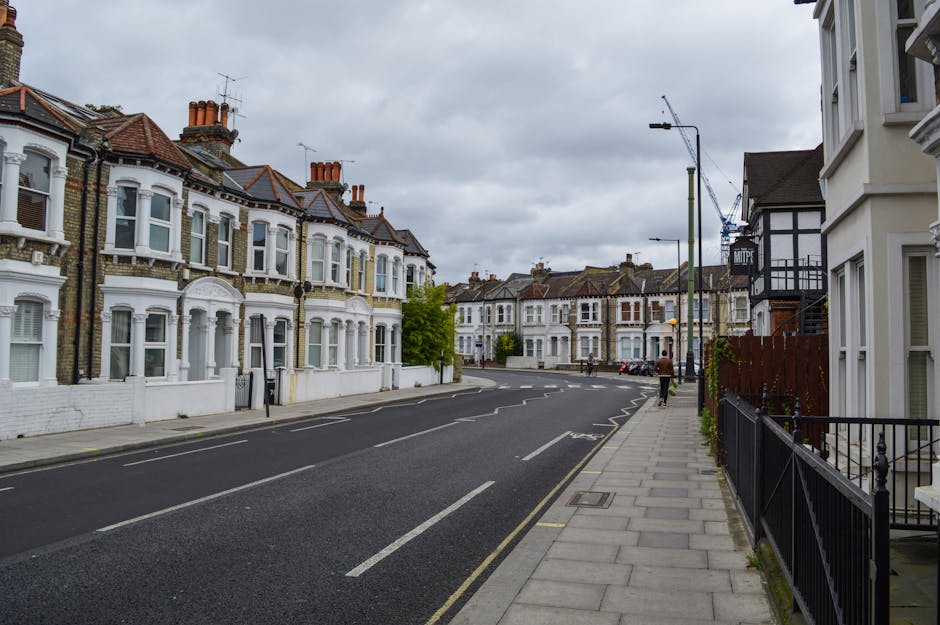
Why Warwick Road waste removal tips for tricky access jobs Matters
Tricky access changes everything. A waste job that looks straightforward on paper can become messy fast if there is a steep staircase, a shared entrance, a low ceiling, a narrow mews gate, or no legal place to pause a vehicle. On Warwick Road, those details matter because the area often combines older building layouts with modern living arrangements, and that means access is rarely "standard."
The biggest issue is not usually the waste itself. It is the route. Can a sofa turn the corner? Will bagged rubbish scrape painted walls? Is there enough space for two people to carry safely without blocking neighbours or visitors? These are the questions that separate a smooth clearance from an irritating one. And yes, irritating is the polite word.
Why does this matter so much? Because poor access planning can lead to damage, delay, complaints from neighbours, extra labour, and avoidable stress for everyone involved. A good approach protects the property, keeps the job moving, and makes it far easier to finish in one visit. That is especially useful where you are juggling work, tenants, building rules, or a deadline to clear a flat before a move-out.
There is also a comfort factor. When waste is removed efficiently, the property feels calmer straight away. A cluttered hallway can make the whole place feel smaller, darker, and frankly a bit tiring. Clear the route, and the whole job feels less heavy.
How Warwick Road waste removal tips for tricky access jobs Works
In practice, tricky access waste removal works by reducing risk before anything is lifted. That usually means checking the site, planning the movement path, choosing the right loading method, and deciding whether items should be broken down before removal. Simple enough in theory, but each property throws up its own little surprise.
Here is the general process professionals follow:
- Assess the access route. Look at doors, stairs, lifts, corridors, garden paths, and the distance from the property to the collection point.
- Identify the awkward items. Bulky furniture, broken appliances, fitted units, and heavy bags all behave differently when space is tight.
- Choose the right removal method. Sometimes items can be carried whole. Sometimes they need dismantling first. Sometimes smaller loads are safer than one big trip.
- Protect the surroundings. Floor coverings, corner guards, and careful lifting technique reduce scratches and knocks.
- Load in a sequence that matches the route. The most awkward pieces often go first, not last, so the team is not left wrestling them after the easy items are gone.
A lot of people assume "access" only means whether a van can park outside. Not really. Access includes human access too: can the team move safely, turn easily, and set items down without blocking a communal entrance or fire route? That is the bit that gets missed when people try to do it in a rush.
If the clearance involves builders' rubble, plasterboard offcuts, or renovation debris, a more specialised approach may be needed. In those cases, builders waste disposal in Earls Court is often a better fit than treating everything as general rubbish. The material, weight, and handling method can be very different.
Key Benefits and Practical Advantages
There is a reason careful access planning saves time. Actually, several reasons.
- Less risk of damage. Narrow hallways and tight turns are where paintwork, banisters, and door frames suffer first.
- Faster clearance. A prepared route means fewer stops, fewer awkward manoeuvres, and less backtracking.
- Better safety. Heavy lifting in confined spaces is where strains and slips happen. Reduce the squeeze, reduce the risk.
- Less disruption to neighbours. Shared entrances, stairs, and parking areas stay calmer when loads are planned well.
- Cleaner final result. The property is left tidy, not battered, which matters if you are handing back keys or welcoming new occupants.
There is a hidden benefit too: confidence. When you know the route has been thought through, the whole job feels more manageable. You spend less time worrying about what might go wrong and more time getting it done.
For people who want to compare disposal methods and understand how mixed waste is handled, the recycling and sustainability page is a useful reference point. It helps explain why careful sorting and responsible disposal matter even during a rushed or awkward clearance.
Who This Is For and When It Makes Sense
These tips are especially useful if you are dealing with a property that does not give you much room to breathe. That could mean a basement flat, a top-floor walk-up, a converted house with split levels, or a building where access is limited to a narrow side passage. Warwick Road has enough of those to make careful planning worth the effort.
This guide will help:
- homeowners clearing bulky items before a sale or renovation
- tenants moving out and needing a final tidy-up
- landlords handling end-of-tenancy rubbish
- managers of small offices or mixed-use spaces
- builders or decorators with leftover waste in awkward locations
- anyone trying to remove rubbish without disturbing neighbours or blocking shared areas
It also makes sense for people who could do the job themselves but would rather not wrestle a mattress around a landing at 7 a.m. while trying not to wake half the building. Let's face it, that is not a fun weekend plan.
If your clearance is tied to a larger property move or refurbishment, it can help to think in stages rather than one heroic sweep. Start with the heaviest or most awkward pieces, then clear the smaller items once the route opens up. Little adjustments like that save a surprising amount of energy.
Step-by-Step Guidance
Here is a practical way to approach a tricky access clearance on Warwick Road without making life harder than it needs to be.
1. Walk the full route before anything is moved
Open every door you will use. Check stair width, hallway corners, lift dimensions, ceiling height, and any points where items may snag. If a large item cannot make a turn, it is better to know before lifting starts.
2. Measure the awkward items, not just the room
Many people look at a sofa or wardrobe and guess. That works until the item reaches the stairwell and refuses to cooperate. Measure length, width, and height, then compare that with the narrowest point along the route. A few centimetres can matter a lot here.
3. Separate the waste into practical groups
Keep heavy, fragile, loose, and recyclable items apart. Cardboard, soft furnishings, white goods, timber, and general bags may each need a different handling plan. It is much easier to move the job forward when the pile is organised.
4. Decide what should be dismantled
Breaking down a bed frame, table, or cupboard can turn a nearly impossible carry into a straightforward one. But do not dismantle things blindly. If a piece is load-bearing, sharp, or stuck with rusted fittings, use judgement. Sometimes a careful carry is safer than a rushed teardown.
5. Protect walls, floors, and communal areas
Blankets, corner protection, and sensible stacking are not fancy extras. They are part of the job. In a tight building, even a small scrape becomes noticeable. And once it is there, everybody notices it.
6. Load in the right order
Put the hardest-to-move items closest to the exit once they are ready. That sounds obvious, but people often load by size or habit rather than by route efficiency. The best order is the one that keeps the path clear and the team moving.
7. Do a final sweep before leaving
Check behind doors, under sinks, in cupboards, and around outdoor access points. Tricky jobs often have one forgotten bag or one awkward object tucked away in a corner. One last walk-through can save a second visit. Handy, honestly.
Expert Tips for Better Results
These are the small things that make a real difference on difficult access jobs.
- Use two-person carries where possible. It is steadier, safer, and usually less damaging to the property.
- Remove loose handles or shelves first. They catch on door frames at exactly the wrong moment.
- Keep the route clear before lifting begins. A stray shoe, planter, or recycling box can trip the whole rhythm.
- Work in daylight if you can. Even a little extra visibility helps in narrow or basement spaces.
- Take photos of pre-existing marks. That is sensible in any shared building, especially where access is tight.
- Think about noise. Repeated banging on stair rails or walls is avoidable with better handling.
One thing we see quite often: people overfill bags because they want fewer trips. To be fair, it feels efficient. But overloaded bags are awkward in tight access and can split at the worst possible moment. A slightly smaller load is often the smarter move.
If you are trying to decide which waste solution fits your situation best, a broader look at waste removal in Earls Court can help you match the service to the access challenge, especially when the property layout is the main obstacle rather than the amount of waste alone.

Common Mistakes to Avoid
Most access problems are not dramatic. They are just slightly careless decisions that stack up.
- Guessing door widths. It is such a common error, and it causes a lot of grief.
- Forgetting shared access rules. Some buildings have limits on lift use, moving times, or corridor obstruction.
- Trying to carry too much at once. One oversized load can slow the whole job down.
- Leaving dismantling until the last minute. That is when people get impatient and start forcing things.
- Ignoring fragile surroundings. Fresh paint, glass panels, and polished finishes deserve a bit more care.
- Not checking parking or stopping arrangements. If the vehicle cannot stop sensibly, the carry distance becomes longer and harder.
Another mistake is assuming that "small job" means "easy job." Not always. A single bulky wardrobe in a cramped basement can be more difficult than a whole flat of bagged rubbish. Size of the task and difficulty of the task are not the same thing. That distinction matters.
And one more, because it really does come up: people sometimes wait until the last hour before moving day to sort access details. That is brave. Also a bit chaotic.
Tools, Resources and Recommendations
For tricky access jobs, the right tools are usually simple rather than flashy. You want control, protection, and a clear route more than anything else.
| Tool or resource | Why it helps | Best use case |
|---|---|---|
| Measuring tape | Checks doors, stairs, and item sizes before moving begins | Any flat, basement, or narrow hallway |
| Protective coverings | Helps reduce scuffs on walls, floors, and corners | Communal entrances and finished interiors |
| Moving straps or trolleys | Makes awkward carries steadier when the route allows it | Heavier waste and bulky furniture |
| Dust sheets or blankets | Useful for shielding surfaces and wrapping sharp edges | Delicate staircases and tight door frames |
| Route checklist | Keeps the team from missing a side gate, lift booking, or final room | Multi-room clearances and managed buildings |
It is also worth using a service page or related article as a planning reference if you are unsure how a job should be handled. The house clearance service in Earls Court is relevant when the job includes bulky household items, while the Earls Court housing market article can give useful context if the job is connected to a sale, tenancy change, or property handover.
For people dealing with outdoor waste as part of the same project, the garden waste removal in Earls Court page may also be useful, especially where side access or rear entry is tighter than the main door.
Law, Compliance, Standards, or Best Practice
With waste removal, compliance is not just a box-ticking exercise. It affects safety, responsibility, and how the job should be handled. In the UK, waste must be managed properly, and anyone arranging removal should be careful about using a legitimate, responsible service. If a load leaves your property, you still want confidence that it will be handled lawfully and with the right paperwork or process behind it where required.
Best practice usually includes:
- keeping waste separated where practical
- avoiding obstruction in communal areas and exits
- using safe lifting methods and suitable equipment
- making sure hazardous or specialist materials are identified early
- confirming how the waste will be treated, reused, recycled, or disposed of
In tight-access buildings, safety matters just as much as legality. That means not rushing stairs, not blocking shared passageways, and not forcing items through a space where damage is likely. If the property is leasehold or managed, there may also be building rules about booking lifts, protecting common parts, or restricting noisy work. Those details are easy to miss, but they can save a lot of hassle.
For readers who want reassurance around site conduct and professional practice, the insurance and safety information is worth reading alongside any clearance plan. It helps show what a careful, responsible approach looks like in real life.
Options, Methods, or Comparison Table
Not every tricky access job needs the same method. Sometimes a full-service collection is best. Sometimes a staged approach works better. The right choice depends on space, waste type, and how much disruption you can tolerate.
| Method | Best for | Pros | Limitations |
|---|---|---|---|
| Full manual carry-out | Small to medium loads with manageable access | Direct, flexible, often quickest if the route is clear | Can be tiring in narrow stairwells or long carries |
| Dismantle and remove | Bulky furniture, large shelving, wardrobes, beds | Reduces turning problems and impact risk | Needs time and care; not suitable for every item |
| Smaller staged loads | Properties with very limited corridor or stair space | Less congestion, safer movement, easier control | More trips, so it can take longer |
| Specialist mixed-waste clearance | Jobs with renovation debris, household items, and awkward waste together | Good for complex or varied loads | Requires clear sorting and a well-planned route |
For many Warwick Road properties, the best choice is a hybrid one: dismantle the awkward pieces, carry the rest in smaller, safer loads, and keep the route clear from start to finish. That combination is not glamorous, but it works.
Case Study or Real-World Example
Here is a realistic example from the kind of situation people often face.
A resident in a lower-ground flat needed several bulky items removed: an old sofa, two bookcases, a broken chest of drawers, and a pile of bagged household waste. The front route was tight, the hallway bent awkwardly at the first turn, and the stairwell had a handrail that made carrying larger items difficult. On first glance, it looked like a job that would take far longer than it should.
The solution was simple but careful. The team measured the sofa before moving it, removed loose cushions and legs first, and carried the main frame with two people rather than forcing it solo. The bookcases were emptied and broken down where possible, which reduced the width enough to clear the corridor cleanly. Bagged waste was moved last, once the route was already open. No drama, no damage, no shouting across the hallway. A small victory, really.
The important part is not that the job was unusual. It is that the access plan did the heavy lifting before the actual lifting started. That is the kind of detail that makes difficult properties manageable.
If you are handling a similar mix of furniture and household waste, a general rubbish collection in Earls Court can be the right fit when the items are already sorted and the access route has been checked in advance.
Practical Checklist
Use this checklist before any tricky-access waste removal job on Warwick Road.
- Measure the narrowest doorways, stair turns, and corridor sections.
- Check whether any items need dismantling before collection.
- Clear the access route of loose objects, mats, and breakables.
- Protect floors, corners, and door frames where possible.
- Confirm building rules for lifts, entry times, and shared areas.
- Separate bulky furniture, recyclables, and loose rubbish into sensible groups.
- Plan the order in which items will leave the property.
- Make sure parking or stopping arrangements are realistic.
- Keep children, pets, and non-essential people out of the route.
- Do a final room-by-room sweep before the team leaves.
Quick expert summary: the safest, cleanest tricky-access jobs are usually the ones that look slightly over-prepared at the start. That is not overkill. It is just good planning.
Get a free quote today and see how much you can save.
Conclusion
Warwick Road waste removal tips for tricky access jobs come down to one simple idea: do not leave the access problem until the end. Measure early, sort waste properly, protect the route, and choose the removal method that fits the property rather than forcing the property to fit the job. That mindset saves time, reduces stress, and usually leads to a cleaner result.
Whether you are clearing a flat, handling post-renovation debris, or just trying to get one very stubborn wardrobe out of a very awkward hallway, the same rules apply. Slow down a little at the planning stage so you can move faster later. It really does pay off.
And if the job feels fiddly from the start, that is usually your cue to plan carefully rather than push harder. A bit of calm now can spare you a lot of hassle later.


Copyright © . House Clearance Earls Court. All Rights Reserved.