Bulky rubbish collection near Earls Court Station
Posted on 07/08/2026
Bulky Rubbish Collection near Earls Court Station: A Practical Local Guide
If you are trying to arrange bulky rubbish collection near Earls Court Station, you are probably dealing with more than a simple black bag clear-out. Sofas, wardrobes, broken beds, office chairs, renovation offcuts, and random bits of furniture have a way of lingering just when you need space back fast. In a busy part of West London like Earls Court, that can become awkward quickly. Narrow hallways, shared entrances, permit pressures, lift delays, and tight kerb space all make the job a bit more involved than people first expect.
This guide walks you through how bulky rubbish collection works, what to watch out for, and how to choose the most sensible option near the station. It also covers local access realities, common mistakes, and the kind of planning that saves time, money, and stress. Truth be told, a smooth collection often comes down to preparation more than brute force.

Why Bulky rubbish collection near Earls Court Station Matters
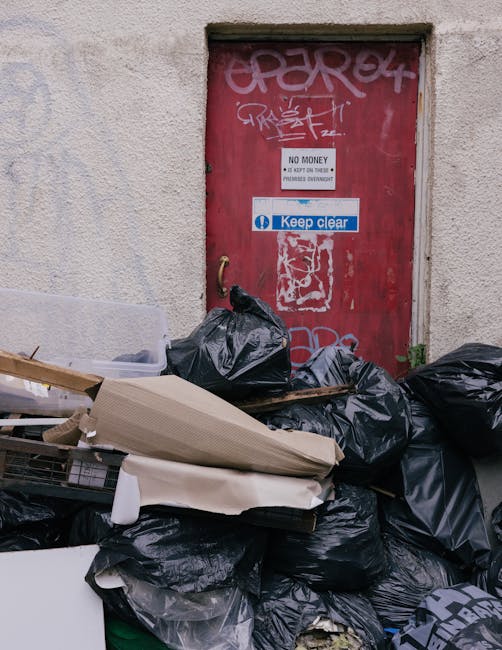
Bulky waste is not the sort of thing you want sitting in a flat entrance for long. It blocks passage, creates fire safety concerns in shared buildings, and can make neighbours understandably annoyed. Near Earls Court Station, that issue is amplified by the pace of local life. People are in and out, buildings often have communal access, and even a single large item can become an obstacle for everyone.
There is also the practical side. Heavy items are awkward to move and, if handled badly, can damage walls, stair rails, floors, or your back. A rushed lift of a mattress down a narrow staircase is exactly the kind of thing that sounds simple until it is not. And let's face it, nobody wants to spend a Saturday morning wrestling a wardrobe through a hallway that was clearly designed before modern furniture existed.
For local residents, landlords, letting agents, businesses, and builders, bulky rubbish collection is often less about convenience and more about keeping a property usable. A fast, organised service can help reset a space after a move, a refurbishment, a tenant changeover, or a spring clear-out. If the waste is mixed with other removal needs, it can also make sense to look at broader support such as rubbish collection in Earls Court or, where the job is larger, waste removal services in Earls Court.
In our experience, what people really want is simple: clear the bulky items, avoid hassle, and make sure the job is handled responsibly. That is a fair expectation.
How Bulky rubbish collection near Earls Court Station Works
The process is usually straightforward, but the detail matters. Most bulky collections begin with a description of the items, a rough idea of volume, and a note about access. The more accurate that information is, the smoother the visit tends to be. A collection team needs to know whether the items are at street level, on an upper floor, in a basement, or tucked inside a flat with difficult stair access.
Some jobs are priced mainly on load size and labour, while others may depend on the number of items, the type of material, and the complexity of removal. A broken wardrobe is not the same as a heavy three-seat sofa, and a dry mattress is very different from a damp, awkward item that needs careful handling. Small differences like that can affect the plan quite a bit.
Local access is another big factor. Around the station, traffic, parking availability, and loading restrictions can change how quickly a team can work. If a vehicle cannot stop close enough, a collection may take longer and require more carrying distance. That does not make the job impossible, but it does mean the quote and timing should reflect reality rather than wishful thinking.
If the bulky waste comes from a refurbishment or strip-out, it may sit alongside rubble, packaging, timber, or old fixtures. In that case, it can be worth checking a more specific route such as builders waste disposal in Earls Court. Mixing general bulky waste with construction debris is common, but the handling approach should still be sensible.
Many collection providers also think in terms of sorting. Reusable items may be separated where possible, recyclable materials diverted, and only the remainder treated as residual waste. That broader approach is part of recycling and sustainability, and it matters more than people sometimes realise.
Key Benefits and Practical Advantages
Bulky rubbish collection is not just about getting rid of a sofa. It solves a cluster of small problems at once. That is why it is popular with people living near transport hubs and in busy mixed-use neighbourhoods. Here are the main benefits.
- Frees up space quickly - useful when you need a room ready for guests, tenants, or a new purchase.
- Reduces manual strain - heavy lifting is handled by people used to awkward items.
- Works better for flats and shared buildings - where stairwells and communal areas can make DIY disposal painful.
- Helps with time-sensitive moves - especially if you are dealing with an end-of-tenancy deadline.
- Supports responsible disposal - materials are more likely to be separated appropriately.
- Less disruption to neighbours - a planned collection is usually calmer than an improvised one.
There is also a mental benefit. Seriously. Once the bulky stuff is gone, a room feels different. Bigger. Cleaner. Less stuck. That can be a huge relief during a move or refurb, especially if you have already spent days making decisions about what to keep, donate, sell, or throw away.
For some people, the best result is simply getting the job done with no drama. No van hunting. No endless loading. No worrying whether the item will fit in the lift. Just done.
Who This Is For and When It Makes Sense
Bulky rubbish collection near the station suits a wide range of people, and the need is not always obvious until it becomes urgent. A couple might be replacing bedroom furniture. A landlord may need a flat cleared between tenants. A small business could be refreshing an office reception area. A family might be dealing with inherited furniture after a house clearance.
It also makes sense for people with limited physical ability, limited time, or limited storage. If you are in a top-floor flat on a busy road, with no permit-friendly parking and an item that is too large for the lift, DIY disposal becomes a serious chore very quickly.
Typical situations include:
- old sofas, armchairs, beds, wardrobes, tables, and mattresses
- broken appliances that are too awkward for normal bin disposal
- office chairs, filing cabinets, and meeting-room furniture
- bulky packaging after deliveries or fit-outs
- mixed household clutter after a clear-out
- garden furniture from balconies or terraces
If your needs are broader than one or two items, you might also find house clearance in Earls Court useful. For workplaces, office clearance in Earls Court is the better fit. Matching the service to the job usually saves money and headaches. Simple, but easily missed.
And if the bulky waste is mostly from a garden tidy-up or balcony clear-out, garden waste removal in Earls Court may be a better route than a general collection.
Step-by-Step Guidance
Here is a practical way to organise the job without overthinking it.
- List the items clearly. Note the size, condition, and quantity. "One sofa" is helpful. "One large sofa, two armchairs, one broken TV stand" is better.
- Check access. Are there stairs, a lift, narrow corridors, locked doors, or no parking outside? That affects timing and labour.
- Separate anything reusable. If a chair, table, or cabinet can be reused, keep it aside. Mixed items are easier to assess when separated.
- Photograph the load. A few honest pictures can prevent guesswork. Not glamorous, but it works.
- Decide whether the job is bulky-only or mixed waste. If it includes refurbishment debris, mention it early.
- Ask for a clear explanation of what is included. Labour, loading, disposal, and any access conditions should all be understood before the day.
- Prepare the route. Move anything fragile out of the way and clear hallways if possible.
- Confirm the time window. If you are in SW5 and need speed, local same-day availability can be the difference between a tidy afternoon and a stressful week. In that case, same-day rubbish collection in SW5 is worth looking at.
- Make sure payment and paperwork are ready. This sounds dull. It is dull. But it also keeps the handover quick.
A small real-world tip: if the bulky items are in a basement or loft, mention it before the team arrives. That one detail can change the whole job plan. The same goes for old communal doors that stick, lift bookings, or awkward stair turns.
Expert Tips for Better Results
The difference between a decent collection and a smooth one is often in the prep. A few practical habits go a long way.
- Measure oversized items if you suspect access might be tight. A tape measure is not exciting, but it is very helpful.
- Keep similar materials together where possible. Wood, metal, textiles, and mixed household items are easier to assess when grouped.
- Tell the team about fragile surroundings. Fresh paint, glass panels, tight stair rails, and polished floors deserve care.
- Use realistic timing. Around Earls Court Station, traffic and loading can be a bit unpredictable. Give yourself breathing room.
- Ask about recycling routes. If reuse or recycling is possible, it is good to know how it will be handled.
- Choose the right service level. A single bulky item does not always need a full clearance, and a full clear-out should not be treated like a one-item job.
One thing people often overlook is building etiquette. If you live in a block, a heads-up to the concierge or managing agent can save a lot of grief. A quick message about lift access and collection time can prevent those little awkward moments that nobody wants at 8:15 in the morning.
To be fair, good bulky rubbish collection is usually unremarkable in the best possible way. The items disappear, the space opens up, and that is the end of it. Lovely.
Common Mistakes to Avoid
Most problems come from rushing, guessing, or not thinking through access. The good news is that they are easy to avoid once you know what to watch for.
- Underestimating item size. A "small" sofa is often not small at all.
- Forgetting about access restrictions. Parking, lifts, key fobs, and time limits matter more than people expect.
- Mixing too many waste types without saying so. Bulky household waste, builders waste, and garden waste may need different handling.
- Leaving items spread across several rooms. That slows everything down.
- Assuming disposal is the same as donation or reuse. It is not. If you want something reused, say so early.
- Choosing only on price. Cheapest is not always best if the access is complicated or the service is vague.
There is also the classic mistake of waiting until the last minute. We have all done it. A move date sneaks up, the room fills with a pile of "I'll deal with that later," and suddenly later is now. That is exactly when a clear plan matters most.
If you are already juggling a property project, it can help to read more about local housing and moving patterns too, such as the area context in Earls Court housing market insights or the broader local perspective in why locals love Earls Court. Not essential, but useful context if you are clearing a property for sale or let.
Tools, Resources and Recommendations
You do not need a massive toolkit for this, but a few basics can make planning easier.
- Tape measure - for checking furniture widths, stair turns, and lift openings.
- Phone camera - for taking honest photos of the items and access route.
- Heavy-duty gloves - useful if you are moving lighter bits yourself.
- Moving blankets or sheets - to protect door frames and floors if you are shifting items around before collection.
- Labels or notes - helpful when separating keep, donate, recycle, and remove piles.
- Access keys or fobs - sounds obvious, but they are often the one thing people forget.
For service planning, the most helpful resources on the site are usually the services overview and the team's guidance on pricing and quotes. If you want to understand how collections are handled more generally, those pages give you a useful starting point without having to guess your way through the process.
If your concern is safety, access, or how items are moved from a property, it is also worth reviewing insurance and safety information. Peace of mind counts, especially in shared buildings where one careless bump can become a much bigger issue than it should.
Law, Compliance, Standards, or Best Practice
Bulky waste removal in the UK should be handled carefully and responsibly. You do not need to become a compliance expert, but you should know the basics. Waste should be transferred to a legitimate handler, and any items that can be reused or recycled should be treated with care. That is not just good practice; it is the right way to avoid avoidable trouble.
Best practice also means keeping clear records of what is being removed, being honest about the contents, and not mixing items in a way that creates safety issues. If a job includes electrical items, sharp materials, or potentially hazardous parts, it needs proper handling rather than a "sort it later" attitude. That approach rarely ends well.
In shared properties around Earls Court Station, building rules may also matter. Lift booking windows, bin store access, and concierge instructions can all affect how collection works. You may not be dealing with formal legal obligations in every case, but local rules and building management requirements still shape the job.
For that reason, the best collections are usually the ones that are transparent from the start. Clear description, clear access, clear timing. Nothing fancy, just solid basics.
Options, Methods, or Comparison Table
There are a few ways to handle bulky rubbish near Earls Court Station. Some are better for one-off items, others for bigger clearances. The table below gives a practical comparison.
| Option | Best for | Pros | Things to consider |
|---|---|---|---|
| Self-removal | Very small loads and easy access | Can seem cheaper upfront | Time, labour, parking, and damage risk often add up |
| Bulky item collection | Sofas, beds, wardrobes, single or few items | Fast, focused, easier for flats | Needs good item details and access information |
| General rubbish collection | Mixed household clutter | Flexible for varied waste | May not be ideal if most of the load is large furniture |
| Full house clearance | Larger property clear-outs | Best for whole-room or whole-property jobs | Too much service for a single item or two |
| Builders waste disposal | Refurbishment and strip-out waste | Handles renovation debris better | Not the same as general bulky waste |
If you are unsure which route fits best, start with the actual waste type rather than the room it came from. A home office chair and a broken fitted cupboard panel may both look like "bulky rubbish," but they do not always belong in the same service category.
Case Study or Real-World Example
Here is a realistic local scenario. A resident in a SW5 flat near the station needs to clear an old sofa, a double mattress, and a dismantled wardrobe before new tenants arrive. The flat is on the third floor, the lift is small, and the building has a narrow entrance with limited waiting space outside. Nothing dramatic, but awkward enough to cause delay if left unplanned.
The resident photographs the items, checks dimensions, and notes that the wardrobe has already been dismantled. They also mention that there is no on-street parking directly outside the entrance for long periods. With that information, the collection can be arranged with less guesswork. The team arrives prepared for stairs, protects the route, and removes the items in one visit rather than two. Clean finish. No drama.
Now compare that to the same job with no preparation. The team arrives, discovers the lift is out of service, learns the wardrobe is still partly assembled, and has to work around a blocked hallway. That extra friction is exactly what turns a simple collection into a long afternoon. Not impossible, just messy.
Local conditions matter too. If the job is on a road with particularly tricky access, useful local reading like waste removal tips for tricky access jobs on Warwick Road or rubbish removal guidance for Earls Court Road homes and flats can give you a better feel for the local challenges people run into.
Practical Checklist
Use this before booking a bulky rubbish collection near Earls Court Station:
- Have I listed every item clearly?
- Do I know whether the waste is bulky, mixed, builders waste, or garden waste?
- Have I checked the access route, stairs, lift, and parking situation?
- Are any items especially heavy, fragile, or awkward?
- Have I taken photos for reference?
- Do I need same-day or next-day timing?
- Have I separated reusable items?
- Have I warned the building manager or concierge if needed?
- Do I know what should happen to recyclable items?
- Am I clear on the service scope before the collection day?
If you can tick most of those off, you are in pretty good shape. Really, that is most of the battle.
When a clear-out involves a wider life admin moment - moving, letting, refurbishing, or settling an estate - it can also help to understand the company behind the service. The about us page is a sensible place to start if you want a bit more background before you book anything.
Conclusion
Bulky rubbish collection near Earls Court Station should be simple, but in a busy London setting it benefits from a bit of forethought. The size of the items, the access route, the building layout, and the timing all affect how smooth the job feels. Get those basics right and the rest becomes far easier.
Whether you are clearing a single sofa, preparing for a tenant change, or tidying up after a refurbishment, the best result is usually the calm one: a clear plan, a tidy space, and no heavy lifting you did not need to do yourself. That is the real value here. Not just removal, but relief.
Get a free quote today and see how much you can save.
And if you are still weighing up the best way to approach the job, take a breath. The right collection plan has a way of making everything feel manageable again, which is a small win but a meaningful one.


Copyright © . House Clearance Earls Court. All Rights Reserved.